

Why a shared shelf still matters in 2026
In an age of infinite scroll, the library's quiet promise — that a book can be borrowed, returned, and passed on — feels radical again.
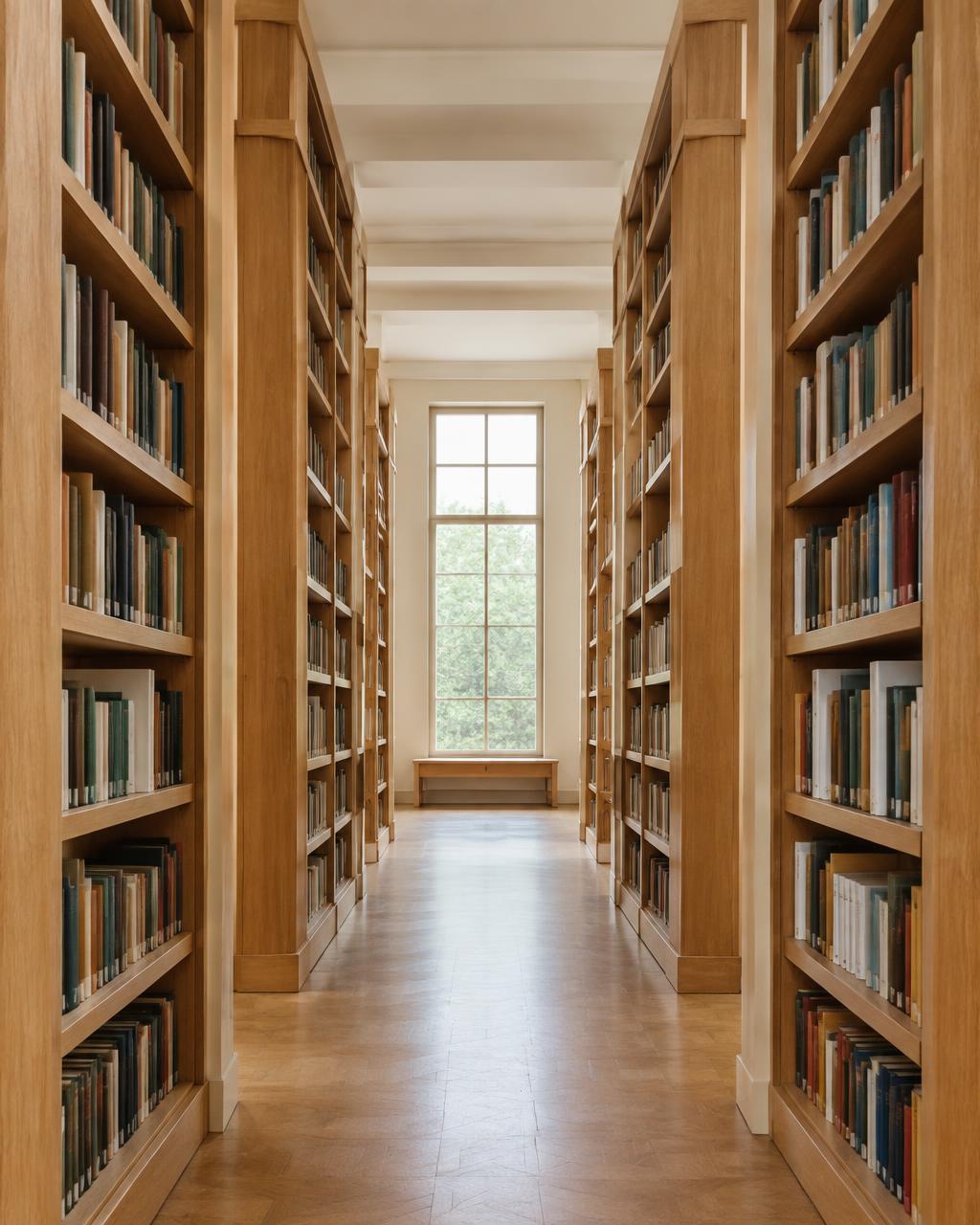
There is a particular silence in a reading room that no app has managed to replicate. It is not the absence of sound — fans turn, pages whisper, someone coughs behind the periodicals — but the presence of attention, held collectively by strangers.
At Noholi we see it every afternoon. A schoolgirl copying a poem into her notebook. A retired engineer working steadily through Elias. Two friends arguing, in whispers, about the ending of Lalsalu.
A library is the only place in the city where nobody asks you to buy anything.
The shared shelf asks for something different from ownership: trust. You will bring it back. Someone else will read the margin note you should not have left. The book will outlive all of you.
That is why we keep buying second copies of Pather Panchali, even when the first is perfectly fine. Someone, somewhere in the queue, is about to meet Apu for the first time.
More blogs
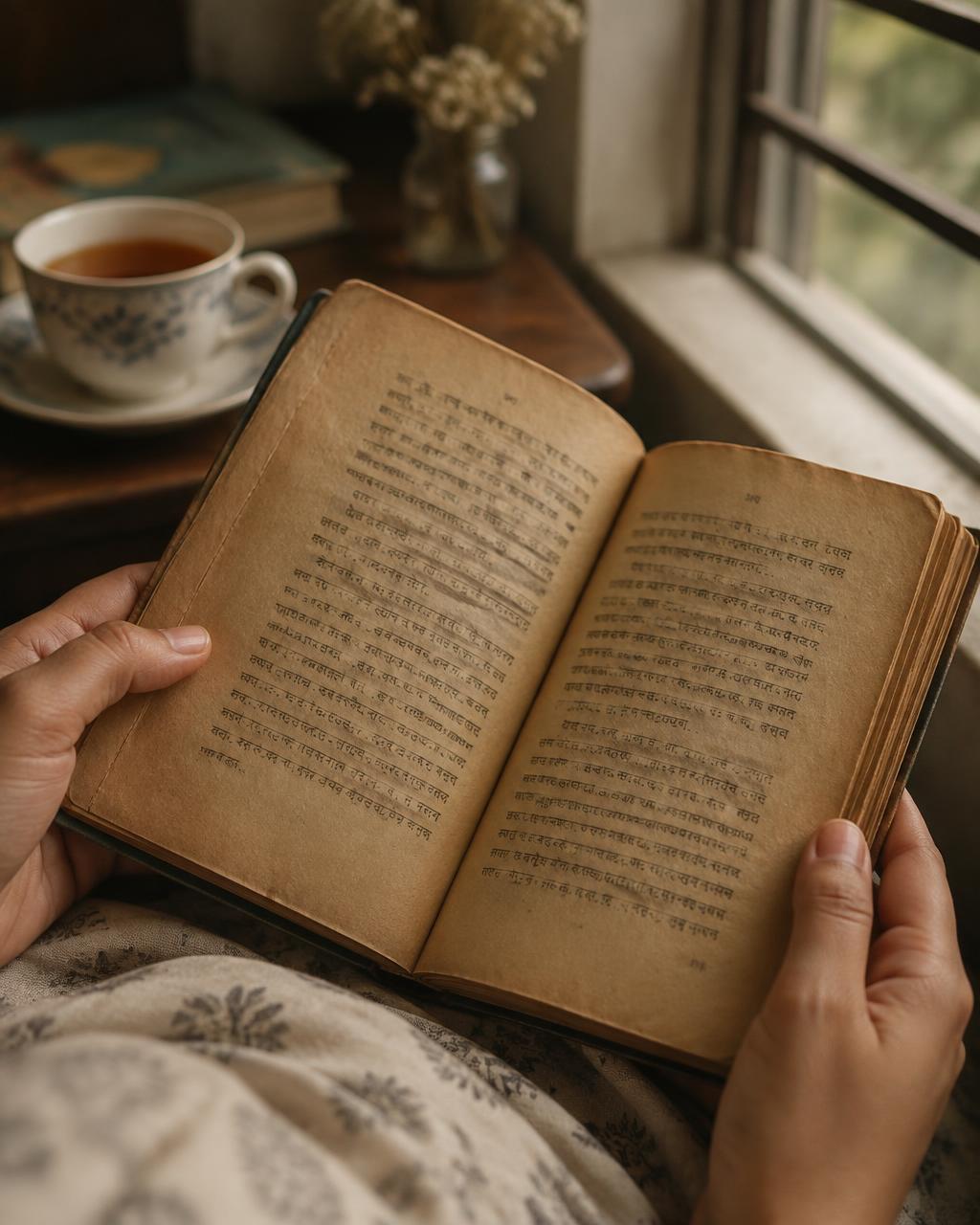
Reading by candlelight: a load-shedding diary
Notes from a summer when the power kept going out and the books kept us company.
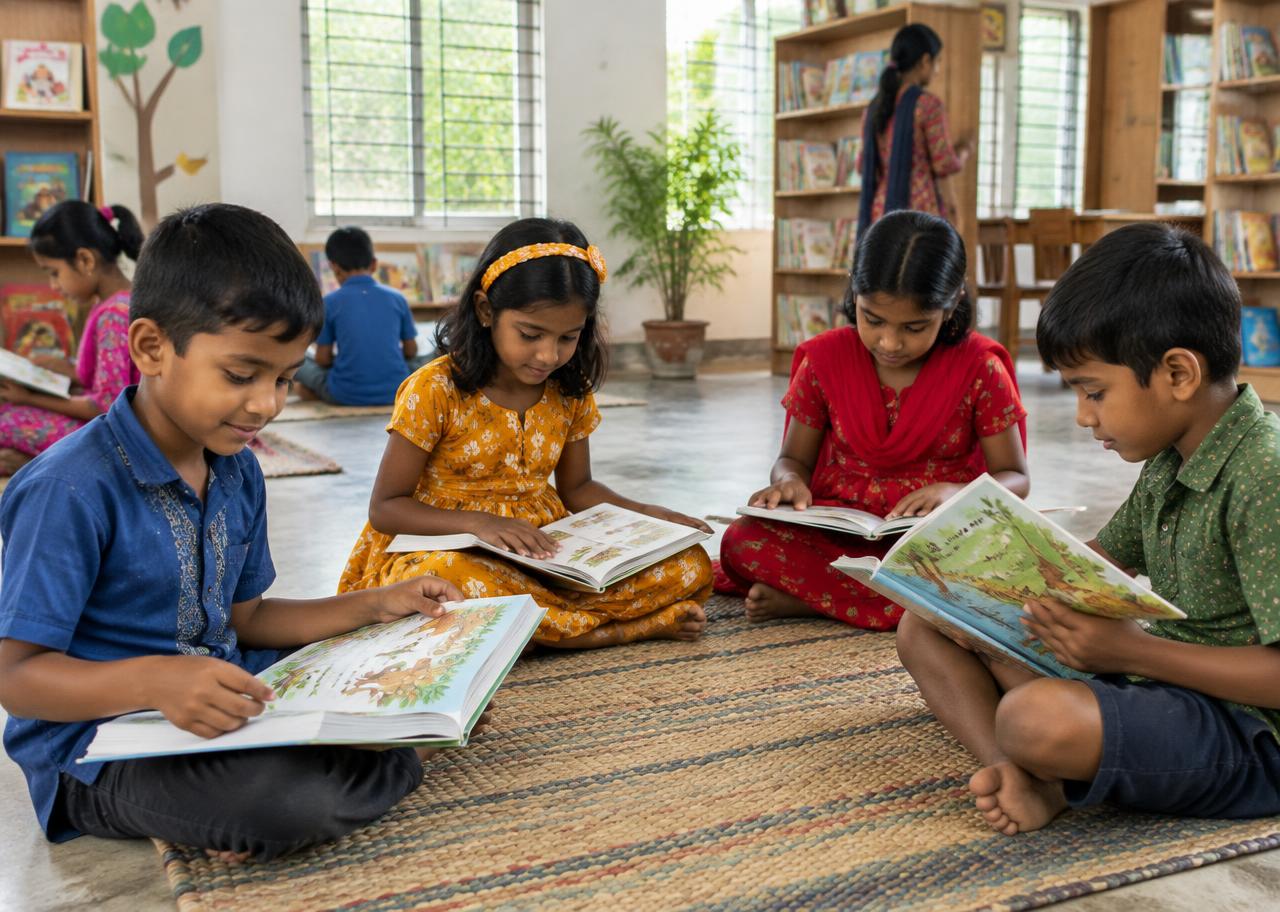
The new children's corner is open
A reading rug, low shelves and three hundred new picture books — come and see.
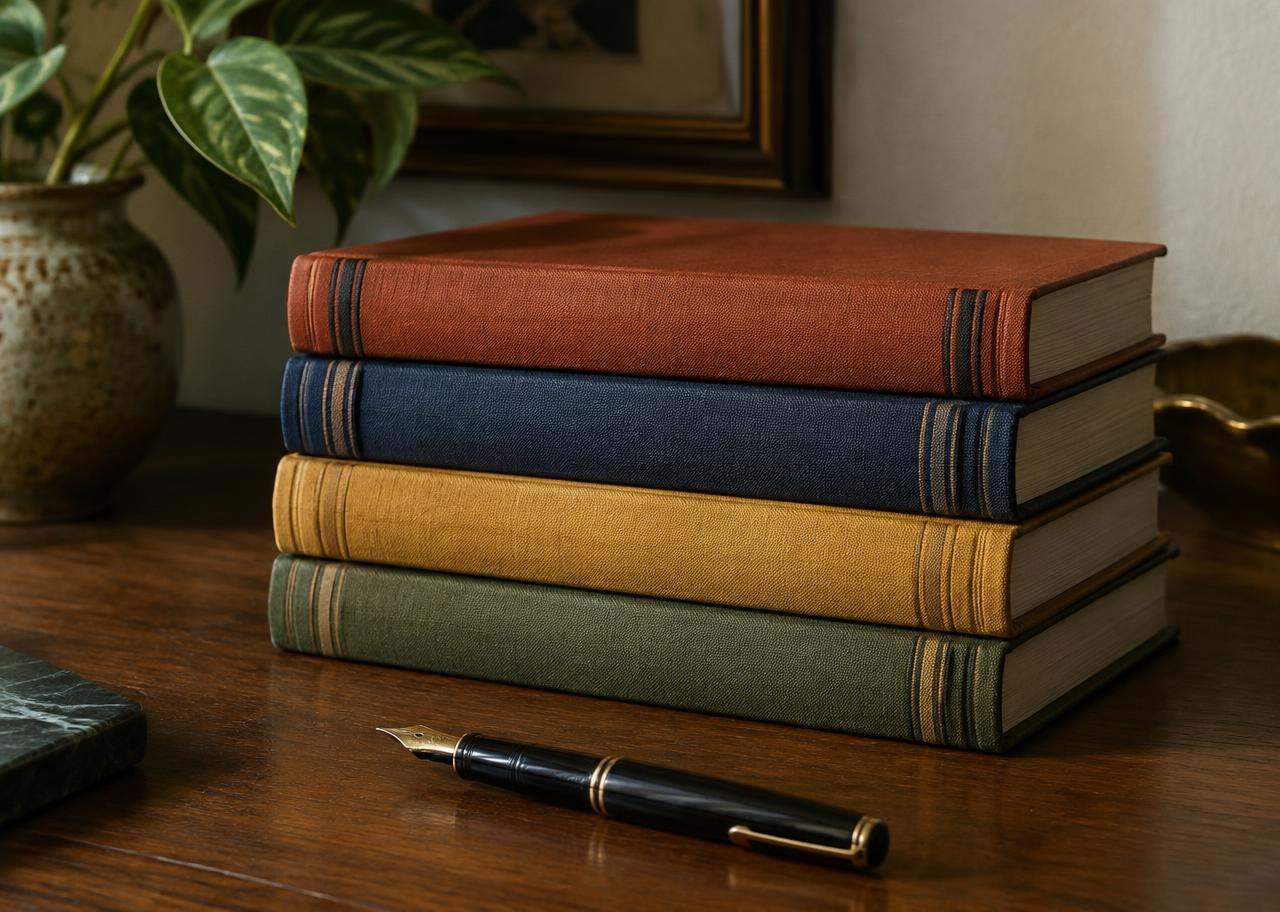
What gets lost — and found — translating Tagore
A translator on the impossible pleasure of carrying Gitanjali into English.